The valley's dry air and big swings between hot afternoons and cool nights wear springs in a particular way: the grease disappears, the steel flexes through a wide range every day, and one cool morning it quits. If a spring just broke, leave the door and call. The pair travels with the truck to either end of the valley, and the estimate is free.
Tell us what the door is doing. The estimate is free and you can say no.
In humid country, rust is what shortens a spring's life. Here the trouble runs the other way: the desert air pulls the grease off the coils within a season or two, and a dry spring rubs on itself with every turn of the shaft. You can often hear it before it fails, a squeal or a gritty scrape as the door rises, and a spring that sounds like that is doing more work than it should.
Put that together with the valley's temperature swings, a hot afternoon followed by a cool night, and the steel is flexing through a wide range every day on top of its normal cycles. A spring that has been dry and noisy for a while usually lets go early on a cool morning, and the door that opened fine the evening before won't lift.
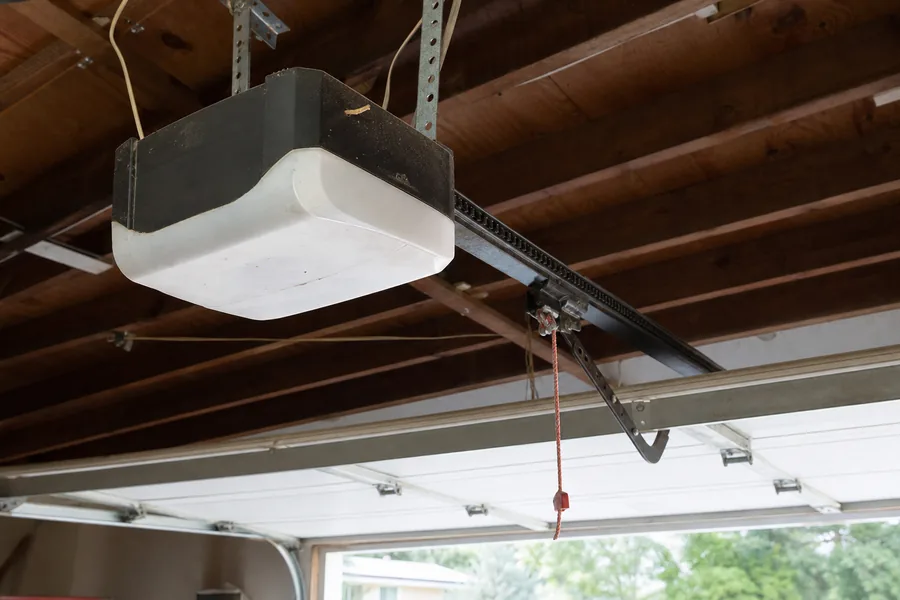
The ranch homes with attached two-car garages mostly carry two torsion springs on the bar above the door. The older bungalows closer to downtown tend to have a detached garage with a single door, and some still hang their door on extension springs that stretch beside the tracks; those get a matched pair with a safety cable through each. Toward the orchards and farms, many properties have a shop or an equipment building with a tall, heavy door that calls for larger springs and heavier cables than any house door.
With a spring broken, the opener shouldn't be the thing lifting the door. Unplug it. A door that stopped partway open stays exactly where it is until the technician gets there, with nobody walking underneath it.
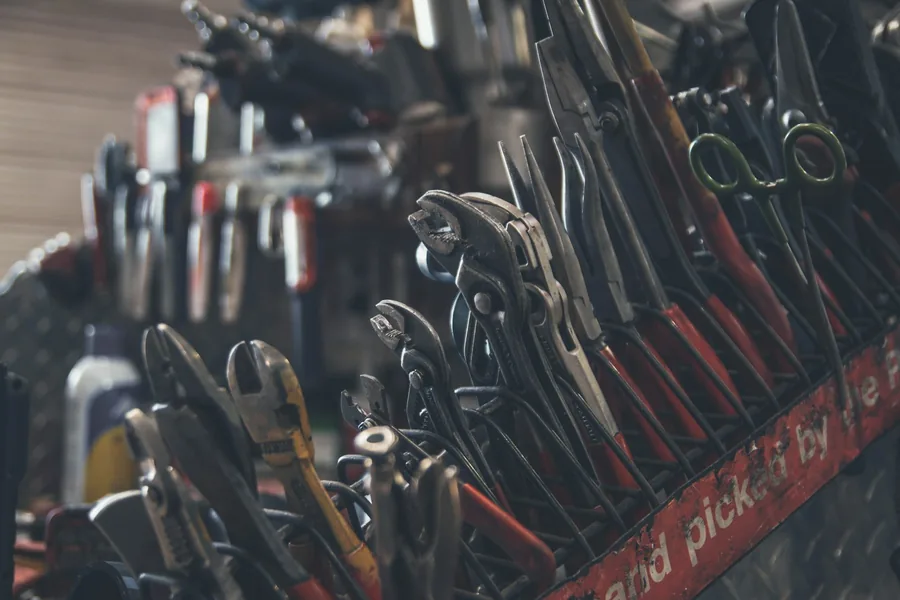
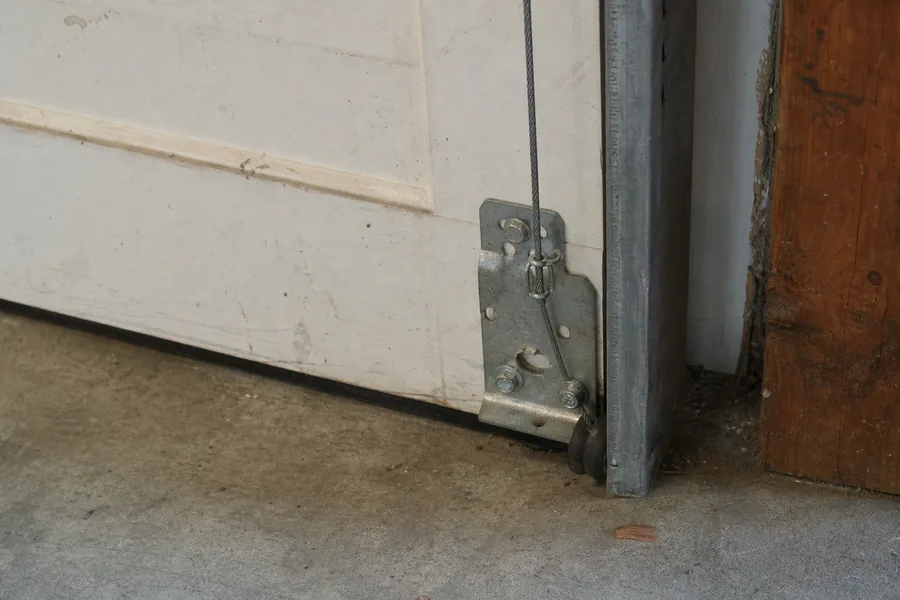
Springs are a counterweight, so they have to match the door, and the only honest way to know the door is to weigh it with the springs off. The tag on the old spring is a clue rather than an answer: doors gain weight from insulation, replacement sections and years of paint. The new pair is wound so the door floats at halfway, neither creeping up nor sinking down.
On a door that works hard, a shop door that opens all day or a house where the garage is the main way in, a longer-cycle spring is worth hearing about. You get the options in plain terms and decide.
What happens after you call.
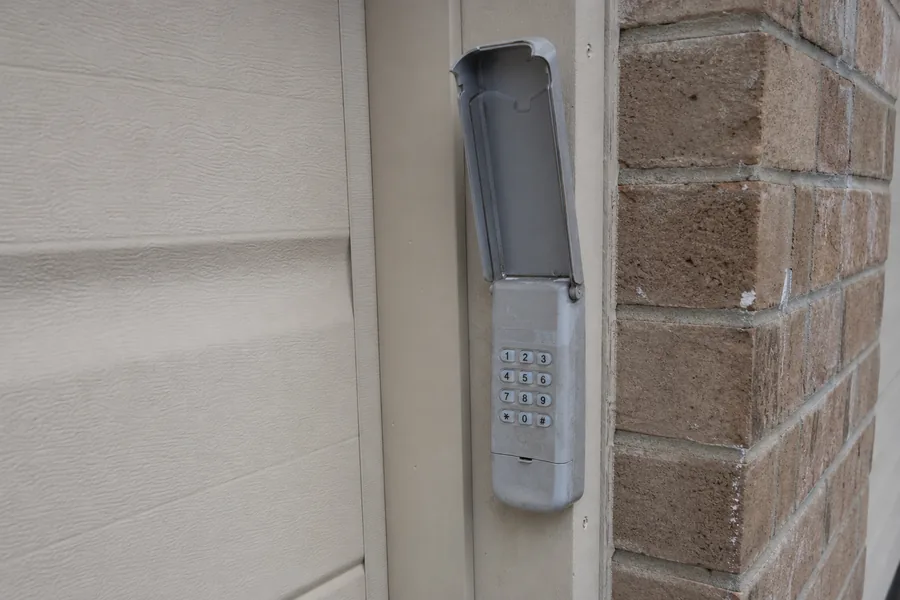
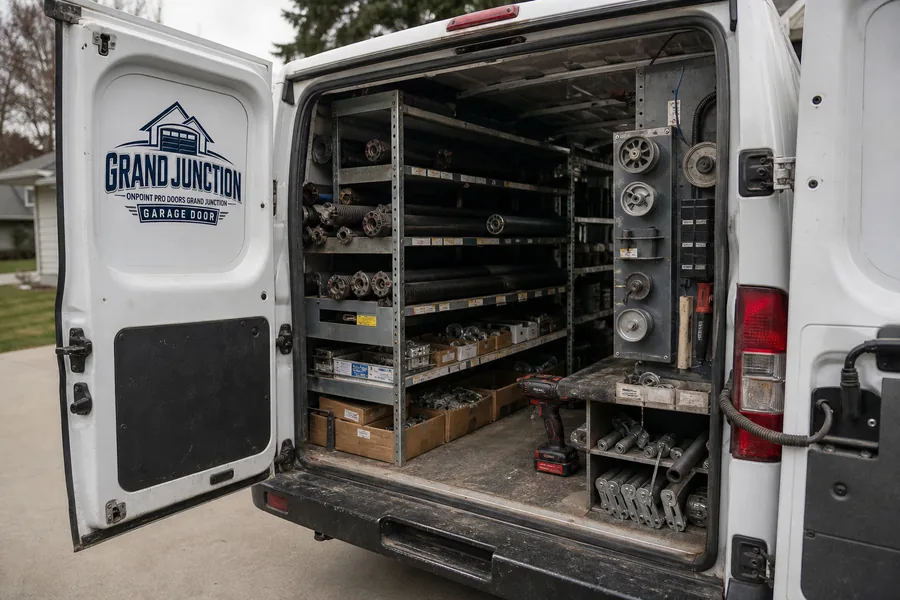
The valley is a long drive from one end to the other, and there's no parts counter open at seven in the evening. So the truck carries the common spring sizes, along with cables, drums, bearings, rollers and bottom seals, and most spring calls finish in one visit no matter which end of the valley the door is on.
For an unusual door, a tall shop door or an old custom wood door, the size is confirmed first and the springs ordered to match; in the meantime the door is left closed and secure.
A pair gets replaced as a pair. Half a set leaves the door lopsided.
Size follows weight. The door is weighed every time.
Lubricated before we leave. Dry air is the enemy here.
Proven on the spot. Hand-lifted to check balance, then opener cycles and a reverse test.
It's running dry and wearing faster than it should. A squealing spring isn't always close to breaking, but it's worth having looked at before it chooses a cold morning.
Steel near the end of its life fails when it's stiffest. The daily swing between hot afternoons and cool nights adds to the wear.
Yes. Tall and heavy doors on shops and equipment buildings get springs, cables and drums sized to their weight.
Yes, the whole valley is covered, and the truck carries the common spring sizes so most calls finish in one trip.
Most spring calls are a single visit, including balancing the door and testing it with you.
Yes. They went in together and have done the same number of cycles, so the survivor is close behind. Replacing both keeps the door level and saves a second trip out.
It is. You get it on paper before a single part changes, and the call is yours.
One call, a two-hour window, and a call ahead from the technician. That's the routine across Grand Junction, Orchard Mesa and Fruita.
Free estimate. Throughout Mesa County, including Redlands, Orchard Mesa, North Avenue, Fruita, Clifton, Palisade, Loma, Whitewater, Mack.
A two-hour window instead of a whole day, and a call before the technician leaves. Free throughout Mesa County. The estimate is free either way.
Want to talk instead? Call (970) 238-2833.
Tell us what the door is doing. The estimate is free and you can say no.