
OnPoint Pro Doors services garage doors around Grand Junction with the valley's dry air and daily swings in mind. The technician lubricates, adjusts and inspects the whole door and opener, and anything worn comes with a free estimate before it is replaced.
Tell us what the door is doing. The estimate is free and you can say no.
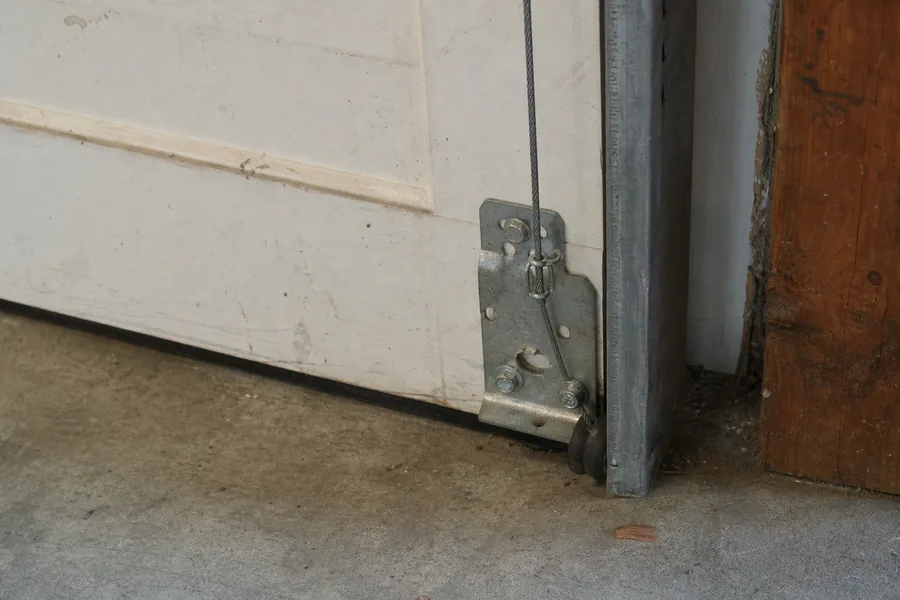
A maintenance visit covers the whole door, not only the part that is making noise. The technician starts by disconnecting the opener and lifting the door by hand to feel its balance, then works through the springs, cables, drums, rollers, hinges and track before moving on to the opener and its safety features.
Each part is looked at for the kind of wear it gets here: springs for dry rubbing and rust spots, cables for fraying at the bottom corners, rollers for cracked wheels and rough bearings, hinges for hairline cracks, and the track for brackets that have worked loose.
Everything that can be set right on the spot is set right. Anything that needs a new part is shown to you first.
Doors that run on extension springs along the tracks are checked for the safety cables that should run through those springs, so a spring that snaps stays contained instead of whipping across the garage.
The air here pulls the oil out of ordinary grease and leaves a gummy crust on springs, hinges and roller bearings. A spring that runs dry rubs on its own coils with every trip, which is the squeal and chatter many doors make on cold mornings.
On a service visit, the technician cleans off what has hardened and lubricates the moving metal parts with a product made for garage doors, one that does not turn into a dust trap in the spring wind. Parts that are designed to run dry are left dry. Done this way, a door that groaned on the way up usually runs quietly again the same afternoon.
An opener's force setting and travel limits are set for the door as it behaves on one day. A hot afternoon followed by a cold night changes that behavior: steel expands and contracts, seals stiffen, grease thickens. Over a season the settings drift, and the opener starts stopping short, reversing for no clear reason, or slamming the door into the slab.
The visit resets both, then tests the auto-reverse with an object on the floor in the door's path. A door that reverses cleanly and closes fully is the goal, every time, in every season.
Remotes and the keypad are tried at the same time, and an opener that has lost them after a power cut is set up again so every remote in the household works before the visit ends.
Dust settles on everything in a garage, including the two small photo eyes near the floor. A film of grit, or an eye nudged out of line by a broom or a bike, is enough to make the door refuse to close. The eyes are cleaned and aligned so they see each other clearly.
The bottom seal and the side weatherstrip dry out and crack in strong sun. A cracked seal lets the spring winds blow dust under the door and onto the rollers and track, so worn seals are pointed out with the rest of the findings.
Grit in the track does its own harm. It grinds at the roller wheels and makes the door run rough, so the track is wiped out and the rollers are checked for flat spots while the technician is there.
Visits are planned so that nothing needs a second trip unless a part has to be ordered.
Each season leaves a different mark. Spring brings the wind and the dust that rides it into tracks and bearings. Summer heat bakes the bottom seal and thins whatever grease is left on the hinges. Fall is often calm enough that nobody thinks about the door until the first hard frost, when a stiff roller or a dry spring announces itself with a groan.
A visit in the mild weeks before the cold arrives catches most of that while the door still works well. A second look after a windy spring is worth it for doors that face the prevailing wind or sit at the end of an open driveway, where blown grit and gusts do the most damage.
Many properties here have more than one door: an attached garage, a detached shop, an equipment building out by the orchard. The same visit can cover all of them, which saves you a second wait and saves the drive.
Roll-up doors on shops get their own checks: the curtain, the guides, the spring tension in the barrel and the lock. A roller that let go on a shop door is a common reason doors jump their tracks, and it is the kind of part a service visit catches before it does.
Taller doors on equipment buildings carry heavier springs and more weight on their cables, so they are inspected with the same care as the house door, even when they only open a few times a week.
Before the technician leaves, the door runs several times with you watching, stops where it should, reverses on contact and closes fully against the floor. You hear what was adjusted and lubricated, and what was found.
Anything worn is described plainly with a free estimate, grouped by what needs doing soon and what can wait. If the door is in good shape, you hear that too.
A hand-balance test, an inspection of the springs, cables, drums, rollers, hinges and track, lubrication of the moving metal parts, the opener's force and travel settings, cleaned and aligned photo eyes, and a reverse test.
Usually the springs or hinges have run dry and the old grease has hardened. Cleaning and lubricating them is part of every service visit.
Often. Dusty or misaligned photo eyes and drifted force settings are the usual causes, and both are handled on the visit.
Yes. Tell us about every door when you book, and they are all looked at on one visit.
Only with your approval. Worn parts are shown to you and put on a free estimate first.
It benefits from it. Settings drift and grease dries on new doors too, and catching that early keeps the springs and opener from wearing faster than they should.
Yes. Any repair the visit turns up comes with a free estimate before work begins.
A two-hour window instead of a whole day, and a call before the technician leaves. Free throughout Mesa County. The estimate is free either way.
Want to talk instead? Call (970) 238-2833.
Tell us what the door is doing. The estimate is free and you can say no.